Frequently Asked Questions
Are foam rollers worth buying?
Yes. Foam rollers are relatively inexpensive and can be useful for mobility work, warm-ups and post-exercise recovery. Research suggests they can temporarily improve range of motion and may help reduce the perception of muscle soreness following exercise.
Can foam rollers help with back pain?
A foam roller may help relieve muscular tightness and provide temporary comfort, particularly when stiffness is related to exercise or prolonged sitting. However, it shouldn’t be considered a cure for back pain or used instead of professional advice when pain is persistent, severe or unexplained.
Is a hard or soft foam roller better?
It depends on your experience and what you want from the roller. Softer rollers are generally more comfortable for beginners, while firmer rollers provide more pressure and may suit people who regularly use foam rolling.
Are textured foam rollers better?
Not necessarily. Textured rollers can provide a more targeted massage sensation, while smooth rollers provide more consistent pressure across the muscle. The best choice comes down to personal preference and how intense you want the massage to feel.
How long should you use a foam roller?
You don’t need to spend a long time on each muscle. Short periods of controlled rolling are generally sufficient, particularly when using a foam roller as part of a warm-up or mobility routine. Research has found benefits from relatively short bouts of foam rolling.
Can foam rolling improve flexibility?
It can temporarily improve range of motion. A systematic review and meta-analysis found that foam rolling produced significant acute improvements in joint range of motion compared with no exercise. Longer-term foam-rolling programmes have also shown improvements in ROM in some muscle groups.
Should I foam roll before or after exercise?
It can be used at either time. Before exercise, foam rolling can be incorporated into a warm-up to temporarily improve mobility without substantially reducing performance. After exercise, it may help with perceived muscle soreness and recovery.
Can beginners use foam rollers?
Yes. Beginners should generally start gently rather than immediately using a very hard or heavily textured roller. Learning how to control your bodyweight and pressure makes foam rolling considerably more comfortable.
What should I look for when buying a foam roller?
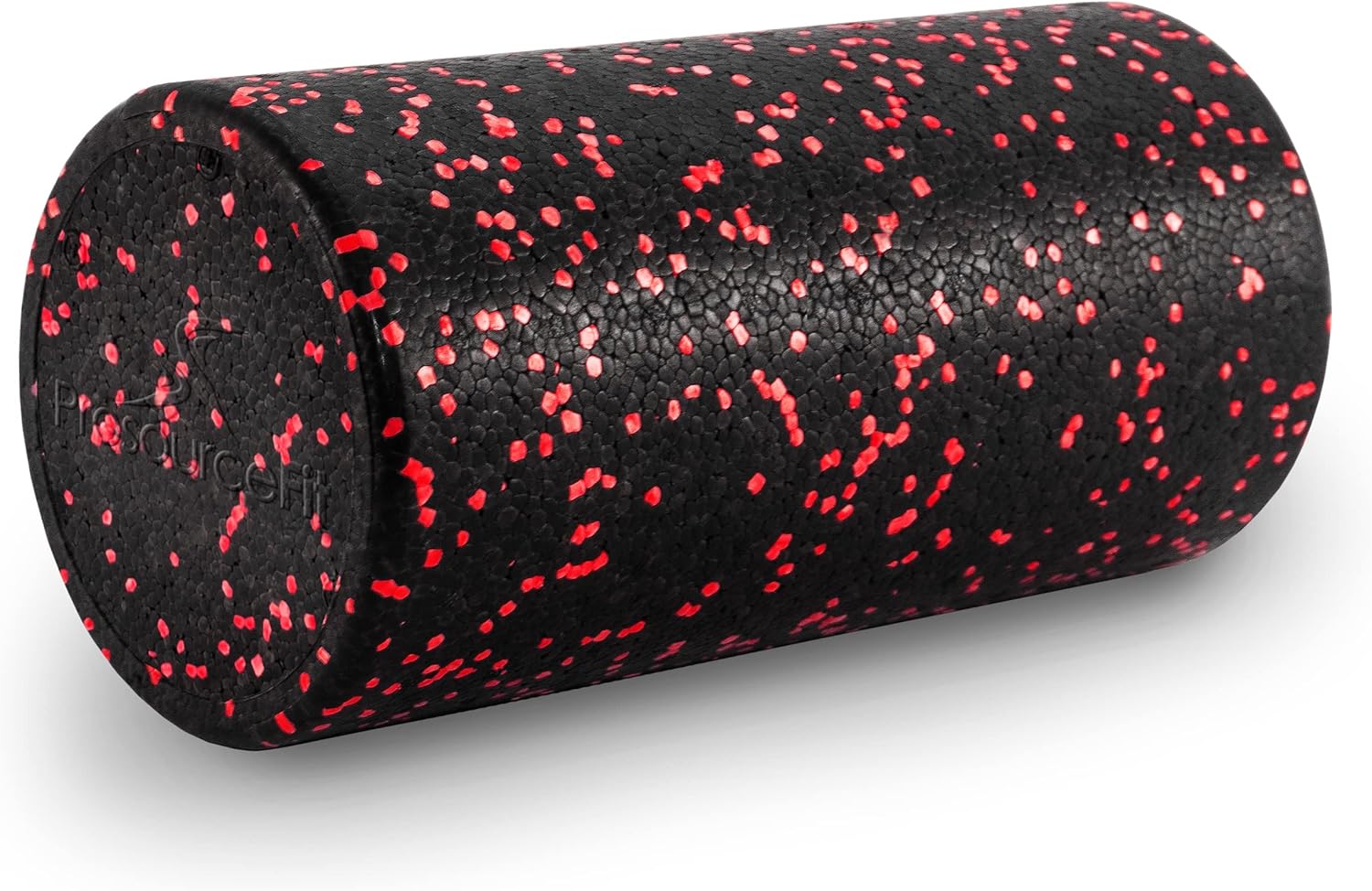
The main things to consider are firmness, surface texture, length, diameter and durability. A longer roller can be more versatile for larger muscle groups, while a smaller roller is easier to store and transport. If you’re new to foam rolling, comfort should also be a major consideration.
Final Thoughts
A foam roller is a simple piece of fitness equipment that can be useful for improving mobility and adding self-massage to your routine. The strongest evidence is around short-term improvements in range of motion, while research into recovery and muscle soreness suggests potential benefits but isn’t completely consistent.
For most people, there’s no need to buy the most aggressive or expensive roller available. A comfortable, durable roller with the right level of firmness is likely to get much more use than one that is unnecessarily painful or difficult to use.
If you’re a beginner, a medium-firm smooth or lightly textured roller is a sensible starting point. More experienced users may prefer a firmer, heavily textured design for a more intense massage, while anyone looking primarily for mobility work should focus on a roller that’s comfortable enough to use regularly.