Best Digital Cameras UK (2026) – Mirrorless & Compact Picks Compared
Last updated: January 2026
Digital cameras remain the preferred choice for photographers who want higher image quality, greater creative control, and better performance than most smartphones can offer. Whether you’re capturing family memories, travelling, creating content for social media, photographing wildlife, or pursuing photography as a serious hobby, the right camera can make a significant difference to your results. With modern mirrorless and compact cameras offering impressive image quality and advanced features, there are excellent options available for photographers of all skill levels.
Mirrorless cameras have become increasingly popular thanks to their combination of powerful performance, interchangeable lenses, advanced autofocus systems, and relatively compact designs. Meanwhile, premium compact cameras continue to offer a convenient all-in-one solution for travellers and everyday users who want excellent image quality without carrying multiple lenses. Both categories have evolved significantly in recent years, delivering features that were once reserved for professional-level equipment.
When comparing digital cameras, it’s important to consider factors such as image quality, sensor size, autofocus performance, video capabilities, battery life, portability, and ease of use. Beginners may prioritise simplicity and automatic shooting modes, while enthusiasts often look for manual controls, lens compatibility, and advanced creative features. If video recording is important, features such as 4K recording, image stabilisation, and microphone support may also be worth considering.
To help you find the right option, we’ve compared some of the best digital cameras available in the UK based on image quality, performance, versatility, user feedback, and overall value for money.
1.

Sony Alpha 6400 APS-C Mirrorless Camera with 16-50mm Lens (24.2MP, Real-Time Eye Autofocus, 4K Video, 0.02s Fast AF, Tiltable Screen, Ideal for Vlogging, Travel and Content Creation)
2.

Sony Alpha 7 III Full-Frame Mirrorless Camera with 28-70mm Lens (24.2MP, 4K Video, Fast 0.02s 693 Point Hybrid AF & 5 Axis stabilisation – Ideal for Enthusiasts, Hybrid Shooter and Low Light imaging)
3.

Sony ZV-E10L Mirrorless Vlog Camera with 16-50mm Lens (APS-C Sensor, 4K Video, Flip Screen, Real-Time Eye AF, Ideal for Content Creators)
4.

Canon EOS R100 – Compact Mirrorless Digital Camera – 24.1 MP, 4K Resolution – Dual Pixel CMOS AF, DIGIC 8 Processor – 6.5 FPS Continuous Shooting – Face & Eye Detection, Bluetooth, Wi-Fi, GPS
5.

Canon EOS R50 + RF-S 18-45mm F4.5-6.3 IS STM Lens – Compact Mirrorless Digital Camera – 24.2 MP, UHD 4K Video, APS-C Sensor – 15 FPS Continuous Shooting – Vari-Angle Touchscreen – Bluetooth & Wi-Fi
6.

Sony ZV-E10M2 Mirrorless Vlogging Camera wtih 16-50mm Lens (26MP APS-C Sensor, 4K 60p Video, Flip Screen, Real-Time Eye AF, USB-C Streaming – Ideal for Content Creators & YouTubers)
7.

8.
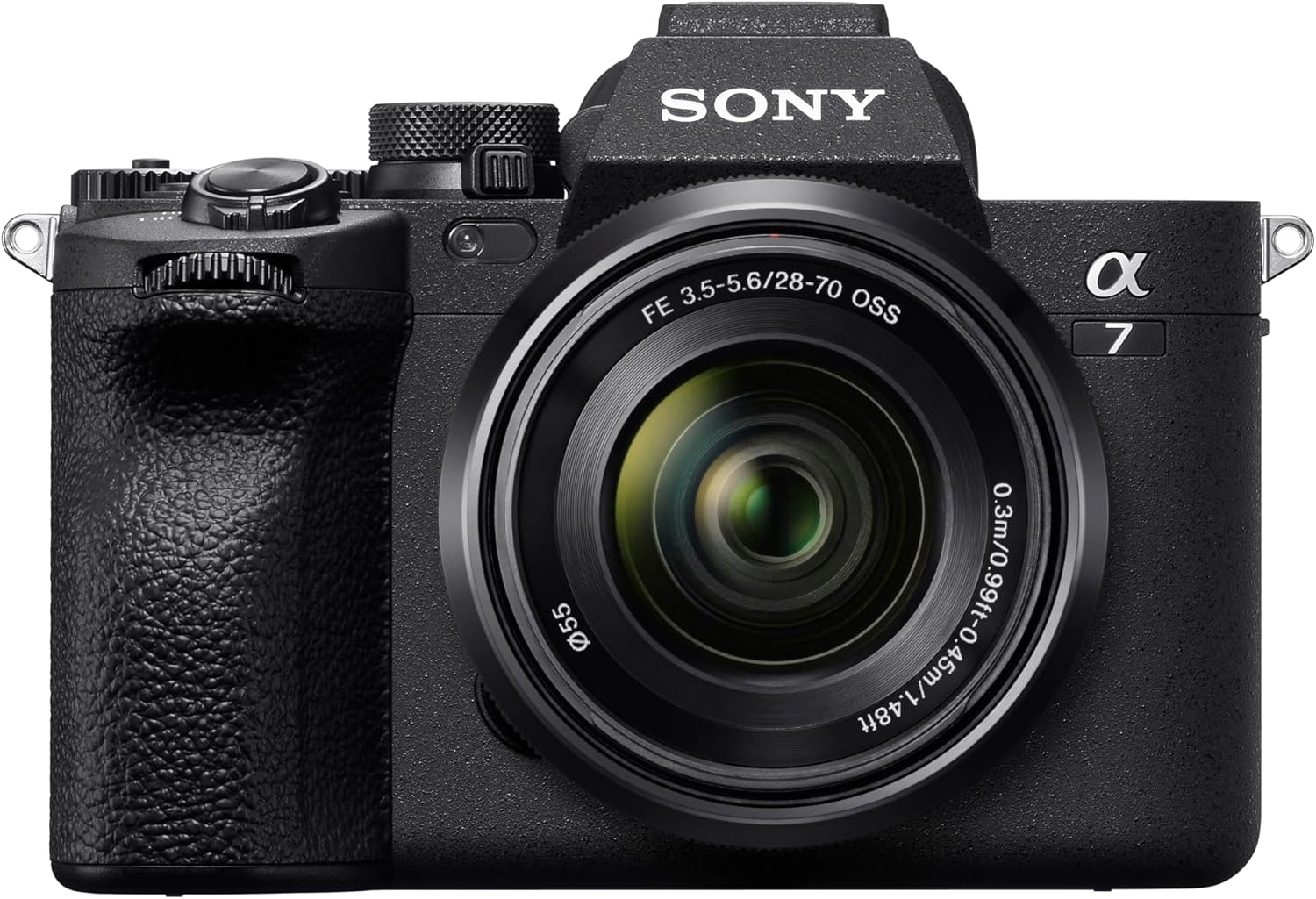
Sony Alpha 7IV Full-Frame Mirrorless Camera with 28-70mm Lens (33MP, 4K 60p Video, Real- Time Eye AF, Fast Hybrid AF, Vari-Angle LCD, for Hybrid shooters, Content Creators & Professional Photography)
9.

Sony Alpha 6700 APS-C Mirrorless Camera (26MP, AI Autofocus, 4K 120p Video, 5-Axis Stabilization, Vari-Angle Touchscreen, Compact Hybrid for Photo & Video Creators)
10.

Panasonic Lumix S5D, Full Frame Mirrorless Camera Body, with S-R1840E 18-40mm S lens, 24.2MP, 4K 60P Recording, Live View Finder, Free Angle Monitor, Wi-Fi, Bluetooth, Black
Frequently Asked Questions
What’s the difference between a mirrorless camera and a compact camera?
Mirrorless cameras typically offer interchangeable lenses and greater flexibility, while compact cameras feature a fixed lens and are generally smaller and easier to carry.
Are digital cameras still worth buying?
Yes. While smartphones have improved significantly, dedicated cameras often provide better image quality, superior zoom capabilities, improved low-light performance, and greater creative control.
What camera is best for beginners?
Beginners often benefit from cameras that offer a balance of automatic shooting modes, user-friendly controls, and room to grow as their photography skills develop.
Is a larger sensor better?
Larger sensors generally provide improved image quality, better low-light performance, and greater control over depth of field, although results can vary depending on the camera and lens.
Do I need interchangeable lenses?
Not necessarily. Many photographers are perfectly satisfied with fixed-lens compact cameras, while others appreciate the flexibility that interchangeable lens systems provide.
Are mirrorless cameras good for video?
Many modern mirrorless cameras offer excellent video features, including high-resolution recording, autofocus tracking, and image stabilisation.
How much should I spend on a digital camera?
The ideal budget depends on your needs, experience level, and intended use. There are strong options available across a wide range of price points.
How long does a digital camera last?
A quality digital camera can remain useful for many years when properly maintained, especially if it continues to meet your photography requirements.
Final Thoughts
A good digital camera can help you capture moments with greater quality, creativity, and flexibility than most smartphones can provide. Whether you’re looking for a travel-friendly compact camera, a versatile mirrorless system, or a reliable all-rounder for everyday photography, there are excellent options available across all budgets. When comparing cameras, focus on image quality, ease of use, portability, features, and overall value for money. Choosing the right camera can help you enjoy photography more and preserve important memories with stunning detail for years to come.