Best Baby Carriers UK (2026) – Comfortable & Safe for Newborns
Last updated: January 2026
A baby carrier can be a convenient way to keep your newborn close while leaving your hands free for everyday tasks. Unlike a traditional pushchair, a carrier allows parents to carry their baby against their body, which can be particularly useful when travelling, shopping, going for walks, or navigating places where a pram isn’t practical. The NHS notes that baby carriers and slings can be useful, but stresses that they need to be used correctly and safely.
Baby carriers come in several designs, including structured carriers, soft carriers, wraps and hybrid styles. Some are specifically designed for newborns, while others can be adjusted as your baby grows. Features such as padded shoulder straps, adjustable waistbands, head and neck support, breathable materials and multiple carrying positions can make a significant difference to comfort for both parent and baby.
For newborns, fit and positioning are particularly important. The carrier should hold your baby securely against your body while keeping their face visible and their airway clear. The NHS and The Lullaby Trust recommend following the TICKS guidance: Tight, In view at all times, Close enough to kiss, Keep chin off the chest, and Supported back.
It’s also important to consider hip positioning. Not every carrier positions a baby’s hips in the same way, and The Lullaby Trust notes that some carriers may not encourage healthy hip development. If your baby has been diagnosed with hip problems such as developmental dysplasia of the hip (DDH), you should follow advice from your healthcare professional when choosing and using a carrier.
When comparing baby carriers, consider factors such as newborn suitability, minimum weight, adjustability, support, comfort, ventilation, ease of putting on and taking off, carrying positions and overall build quality. Always check the manufacturer’s instructions to make sure the carrier is appropriate for your baby’s age, weight and developmental stage.
To help you find the right option, we’ve compared some of the best baby carriers available in the UK based on comfort, newborn suitability, support, ease of use, user feedback and overall value for money.
1.

Infantino Flip Advanced 4-in-1 Baby Carrier – Ergonomic, Convertible, Face-in and Face-Out Front and Back Baby Carrier for Newborn to Toddler 3,6-14,5kg
2.

Infantino Cuddle Up Baby Carrier, Ergonomic Bear-Themed, Face-in Front & Back Carry, Removable Character Hood for Infants and Toddlers, 5,4-18,1kg
3.

Infantino Carry On Active Baby Carrier, Ergonomic Multi-Pocket Baby Carrier for Newborn to Toddler 3.63-18.14kg with Padded Straps, Lumbar Belt Storage, Registry Essential
4.

Baby Carrier, Bellababy Multifunction Baby Carrier Hip Seat (Ergonomic M Position) for 3-36 Month Baby, 6-in-1 Ways to Carry, All Seasons, Adjustable Size, Perfect for Shopping Travelling
5.

Dreambaby Journey Adjustable 3-in-1 Baby Carrier for Newborn to Toddler up to 15kg – Comfortable, Versatile & Ergonomic for Mum or Dad
6.

Ergobaby Embrace Baby Carrier for Newborns from Birth with Head Support, Extra Soft and Ergonomic
7.

8.

Kinderkraft Baby Carrier MILO, Ergonomic Sling, Holder, Lightweight, Confortable, Ajustable, 2 Carrying Position: Front and Backpack, for Newborn, from 3 Month to 20 kg, Tested by IHDI
9.
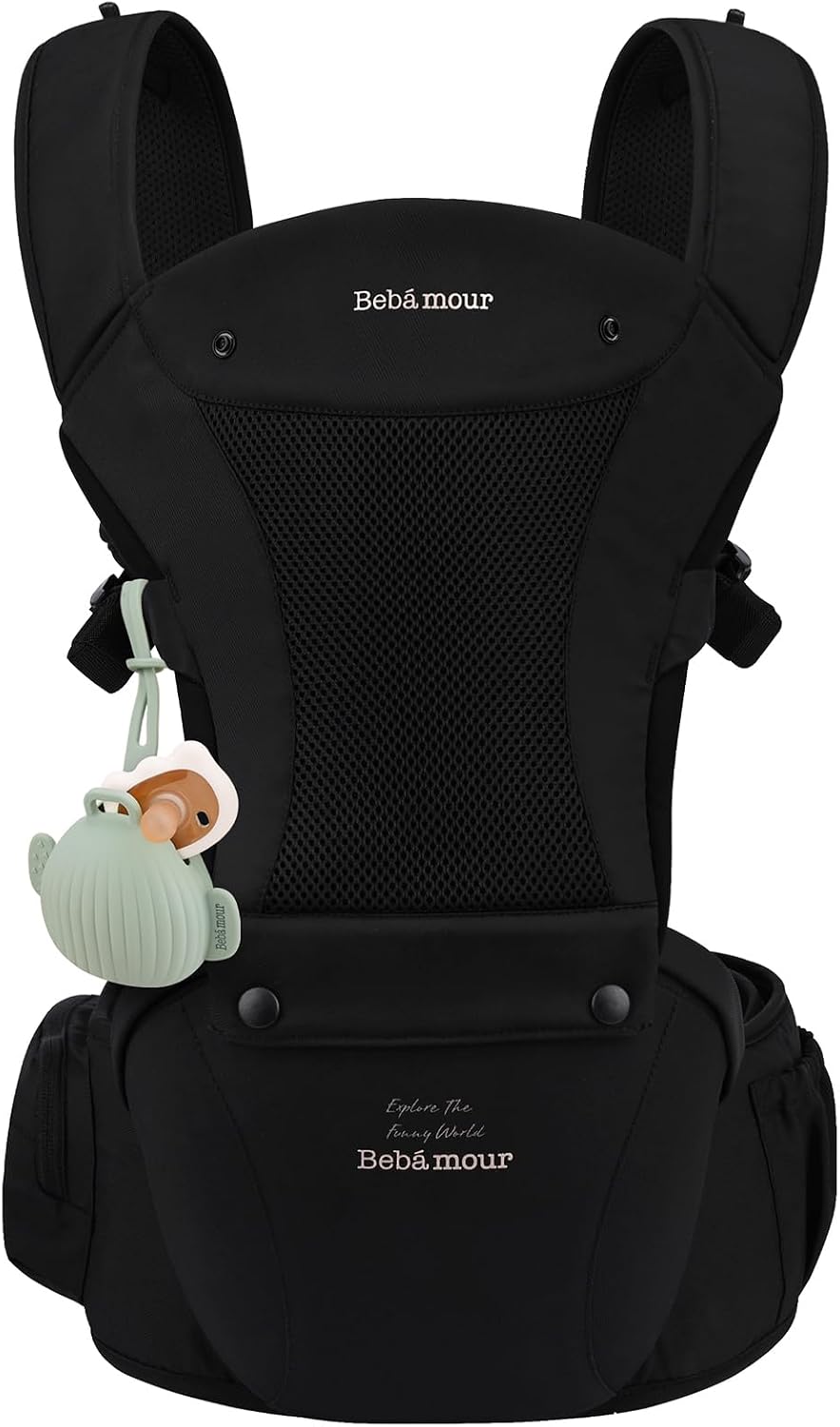
Bebamour Baby Carrier with Hip Seat, Newborn to Toddler 0–36 Months, Ergonomic Infant Carrier with Adjustable Waist Belt, Head Hood, Teething Pads & Waist Extender
10.

Dreambaby On-The-Move 3-in-1 Baby Carrier – Facing in, Facing Out, Backpack Carry -Lightweight, Breathable for Newborns to Toddlers, 3.5–12kg, Compact Design
Frequently Asked Questions
Are baby carriers safe for newborns?
Yes, appropriately designed carriers can be used with newborns when the carrier is suitable for their size and is used correctly. It’s particularly important to keep a newborn’s face visible and their airway clear.
What is the TICKS rule for baby carriers?
TICKS stands for Tight, In view at all times, Close enough to kiss, Keep chin off the chest, and Supported back. It is recommended by the NHS and The Lullaby Trust as guidance for safer sling and carrier use.
What age can a baby use a carrier?
This depends on the individual carrier. Some are specifically designed for newborns, while others require a baby to reach a particular weight or developmental stage. Always check the manufacturer’s requirements.
Can newborns face forwards in a baby carrier?
Newborns generally need to be carried in a position that provides appropriate head, neck and airway support. The manufacturer’s instructions should be followed regarding when a baby is developmentally ready for forward-facing carrying.
Are baby carriers good for your baby’s hips?
A correctly fitted carrier can support healthy hip positioning, but not all carriers position babies’ hips in the same way. The Lullaby Trust recommends considering hip-healthy positioning when choosing a carrier.
Can you breastfeed while wearing a baby carrier?
The NHS and The Lullaby Trust advise taking a baby out of a sling or carrier before breastfeeding or bottle feeding rather than feeding while walking around with the baby in the carrier.
Are baby carriers comfortable for parents?
Many modern carriers feature padded shoulder straps, adjustable waistbands and weight-distributing designs. Comfort varies considerably between models, so adjustability and fit are important considerations.
What should I look for in a baby carrier?
Key considerations include newborn suitability, minimum weight, head and neck support, hip positioning, adjustability, comfort, breathability, ease of use and overall build quality.
Final Thoughts
A good baby carrier can make getting out and about with a newborn considerably easier while keeping your baby close to you. There are plenty of options available in 2026, ranging from soft wraps to structured carriers designed to grow with your child.
When comparing products, don’t choose based on comfort and appearance alone. For newborns, safe positioning and airway protection should be the first priorities. Check the manufacturer’s minimum weight and age requirements, follow the TICKS guidance, and make sure your baby’s face remains visible with their chin clear of their chest.
The best baby carrier is ultimately one that provides a secure, comfortable fit for both parent and baby while being straightforward to adjust and use correctly.